Embracing the Charm of Paper Old Sheet in a Digital World
In an era dominated by sleek screens and instant digital workflows, there's a quiet resurgence of interest in the tactile and visual qualities of Paper Old Sheet. This isn't just nostalgia—it's a deliberate aesthetic and functional choice. Whether you're a graphic designer sourcing textures for a vintage-themed project or a marketer crafting a retro campaign, the worn edges, subtle discoloration, and organic imperfections of old paper sheets have become more than just background elements. They are a statement.
The Visual Power of Paper Old Sheet
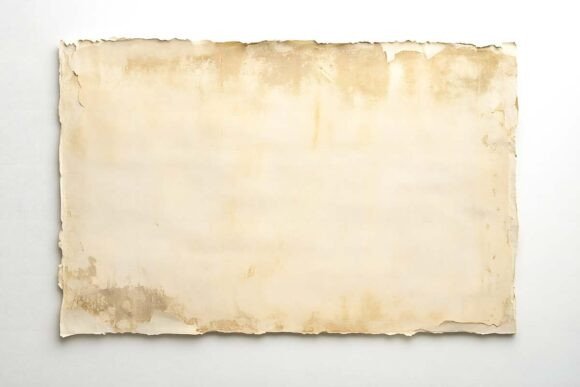
The Paper Old Sheet image—300dpi, 3500px, on a clean white background—is more than just a high-resolution photo. It’s a versatile digital asset that bridges the gap between analog warmth and digital precision. Its clarity and resolution allow for seamless integration into web and print designs, while the aged texture adds depth and character that flat digital surfaces often lack.
This kind of image is particularly valuable for creatives who want to:
- Add authenticity to branding materials
- Create visually engaging social media posts
- Design packaging that feels handcrafted
- Enhance editorial layouts with a sense of history
Why Old Paper Is Trending in Modern Design
As digital fatigue grows, so does the appeal of physical textures. The rise of “analog-inspired” aesthetics in UI design, branding, and content creation reflects a broader cultural shift toward authenticity and emotional resonance. Paper Old Sheet fits perfectly into this trend, offering a way to ground digital experiences in something familiar and human.
Designers and content creators are increasingly using aged paper textures to:
- Break visual monotony in minimalist designs
- Signal craftsmanship in product storytelling
- Reinforce a brand’s heritage or artisanal identity
- Offer contrast in high-tech environments
Practical Uses Across Industries
It’s not just designers who are finding value in the Paper Old Sheet image. Educators use it to create engaging worksheets and presentations. Entrepreneurs incorporate it into pitch decks and product mockups to stand out with a unique visual style. Even digital marketers are tapping into its emotional appeal to humanize online content.
Here are some real-world applications:
- Educators: Use aged paper backgrounds to design lesson plans that feel more approachable and tactile.
- Bloggers: Enhance quote graphics or infographics with a vintage paper overlay for better engagement.
- Freelancers: Add a handcrafted touch to client proposals or portfolios to differentiate their work.
- Businesses: Incorporate the texture into packaging design or product photography to evoke trust and tradition.
How to Use Paper Old Sheet Effectively
High-quality images like the Paper Old Sheet JPG file open up a range of creative possibilities—but they also require thoughtful application. Here are a few tips to make the most of this resource:
- Layer wisely: Use the image as a background layer with reduced opacity to avoid overwhelming the design.
- Pair with clean fonts: Let the texture contrast with modern typography to create visual balance.
- Optimize for web: While the original file is 3500px, always compress it appropriately for fast loading without losing quality.
- Test across devices: Ensure the texture doesn’t distract on mobile screens or print materials.
The Evolution of Paper Aesthetics in Digital Workflows
Years ago, digital design aimed to eliminate all signs of imperfection. Today, the opposite is true. Designers and users alike are embracing flaws—like the faint stains and uneven edges of Paper Old Sheet—as marks of authenticity. This evolution reflects a deeper shift in how we perceive value and meaning in digital experiences.
Consider how:
- Stock photography now includes “authentic” or “unpolished” categories
- UI designers incorporate hand-drawn icons and textures
- Brands use “imperfect” packaging to signal sustainability and craftsmanship
Choosing the Right Paper Texture for Your Project
Not all aged paper images are created equal. The Paper Old Sheet image stands out due to its high resolution and clean white background, making it ideal for layering and manipulation. When selecting paper textures, consider:
- Resolution: Ensure the image is sharp enough for both web and print use.
- Color tone: Choose a texture that complements your brand colors and design mood.
- Usage rights: Always verify licensing, especially for commercial projects.
Where to Apply the Paper Old Sheet Image
From digital marketing to print media, the Paper Old Sheet image can be adapted in numerous ways:
- Website backgrounds: For a subtle, textured feel that enhances readability without distraction.
- Printed materials: Flyers, brochures, and invitations benefit from the organic warmth of aged paper.
- Logo design: Incorporate paper textures into vintage-style logos for cafes, bookstores, or artisanal brands.
- Social media assets: Use as a background for quotes, testimonials, or behind-the-scenes content.
Looking Ahead: The Future of Physical Textures in Digital Design
As augmented reality, digital publishing, and hybrid work environments evolve, the demand for emotionally resonant visuals will only grow. The Paper Old Sheet and similar assets will continue to play a role—not as relics of the past, but as tools for creating meaningful, human-centered design.
Whether you're a seasoned designer or a small business owner building your first website, integrating this texture thoughtfully can elevate your work and connect more deeply with your audience.