Exploring the Versatility of Geometric Shapes Elements in Modern Design
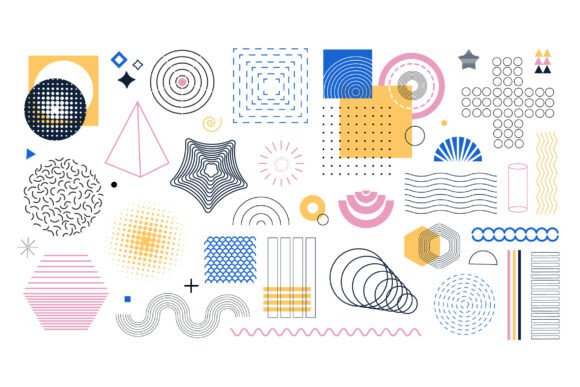
Geometric shapes have long been a cornerstone of visual design, offering structure, symmetry, and aesthetic appeal. In today's digital landscape, Geometric Shapes Elements serve as a foundational toolkit for designers across industries. Whether used in web interfaces, branding materials, or educational content, these elements bring clarity and modernity to visual communication. This article delves into the diverse applications, characteristics, and practical advantages of working with a comprehensive set of geometric forms, including circles, spheres, grids, triangles, frames, striped waves, sun, star, arch, spiral, cross, and more.
Understanding the Core Components of Geometric Shapes Elements
A typical Geometric Shapes Elements set includes a wide variety of forms, each with its own visual function and design potential. These shapes are often delivered in multiple formats—such as SVG, PNG, EPS, AI, PDF, and JPG—ensuring compatibility across design software and platforms. The inclusion of 40 PNG and 40 SVG files allows for scalable, high-quality visuals suitable for both print and digital use.
- Circles and spheres offer balance and continuity, often used to represent unity or completeness.
- Triangles convey direction and movement, commonly used in call-to-action buttons and directional cues.
- Grids provide structure, helping organize content in layouts, infographics, and dashboards.
- Striped waves add motion and rhythm, ideal for backgrounds and transitions.
- Stars and suns evoke energy and positivity, frequently used in icons and celebratory graphics.
Practical Applications Across Industries
The versatility of Geometric Shapes Elements makes them indispensable across a wide range of fields. From professional design studios to educational institutions, these elements are employed in creative and functional ways:
- Web Design – Shapes are used to guide user attention, create visual hierarchy, and enhance responsive layouts.
- Branding and Identity – Logos and brand assets often incorporate geometric forms to convey modernity and precision.
- Education and Research – Diagrams, charts, and teaching tools benefit from the clarity and simplicity of geometric visuals.
- Marketing Materials – From social media graphics to product packaging, shapes help communicate messages effectively.
- UI/UX Design – Interface components like buttons, loaders, and progress indicators are frequently built using geometric elements.
Why Choose a Comprehensive Geometric Shapes Set?
Working with a complete Geometric Shapes Elements set provides several key advantages:
Scalability: Vector formats like SVG and EPS ensure crisp visuals at any size, making them ideal for both small icons and large-format prints.
Versatility: With 40 vector and raster files included, designers can mix and match elements to create unique compositions without relying on external resources.
Consistency: Using a unified set of shapes ensures visual harmony across projects, especially important in brand systems and multi-page documents.
Efficiency: Pre-designed elements save time and reduce the need for custom illustration, allowing designers to focus on layout and messaging.
Designing with the Spiral: A Case Study in Flow and Focus
One of the more dynamic elements in a Geometric Shapes Elements collection is the spiral. Often used to symbolize growth, discovery, or progression, the spiral can be strategically placed to guide the viewer's eye through a composition. For example, in landing page design, a spiral graphic can subtly direct attention toward a central message or call-to-action button.
Designers working with spirals should consider the context and color palette to ensure the shape enhances rather than distracts from the overall layout. Pairing a spiral with clean typography and minimal background elements can result in a powerful visual narrative.
Using Striped Waves for Rhythmic Visuals
Striped waves are a popular choice for backgrounds and transitions due to their ability to convey movement and energy. In motion graphics, these shapes can be animated to simulate water, sound waves, or abstract motion. In static designs, they offer a sense of rhythm and flow, especially when used as dividers or section separators on websites and presentations.
When integrating striped waves into a design, it's important to balance them with simpler shapes to maintain visual clarity. For example, pairing a striped wave background with a solid triangular overlay can create a layered, engaging effect without overwhelming the viewer.
Considerations for Effective Use
While Geometric Shapes Elements offer immense creative potential, there are several considerations to keep in mind when incorporating them into your work:
- Color Harmony: Ensure that the colors used for shapes align with your overall design scheme. Tools like Adobe Color or Coolors can help maintain consistency.
- Balance: Avoid overcrowding designs with too many shapes. Use spacing and alignment to create visual breathing room.
- Accessibility: When using shapes in UI design, ensure they are distinguishable and do not interfere with readability or usability for screen readers.
- Contextual Relevance: Choose shapes that align with the message or emotion you want to convey. For instance, angular shapes may evoke energy or tension, while rounded forms suggest softness and approachability.
Arch and Cross: Symbolic and Structural Roles
Among the more symbolic shapes in a Geometric Shapes Elements set, the arch and cross serve both structural and metaphorical purposes. The arch is often used in architectural design and branding to represent strength and aspiration. In digital interfaces, it can serve as a decorative frame or highlight element.
The cross, while traditionally symbolic, also functions as a clean, symmetrical shape in design. It can be used in iconography, navigation elements, or even as a subtle watermark in print materials. When used thoughtfully, both the arch and cross contribute to a design's depth and meaning.
Workflow Integration and File Management
For professionals and creators, the ability to seamlessly integrate Geometric Shapes Elements into their design workflow is essential. The inclusion of AI (Adobe Illustrator) and EPS files allows for easy editing and customization within vector environments. Meanwhile, PDF and JPG formats are ideal for presentations, print, and sharing with non-design stakeholders.
Organizing and managing shape files efficiently can greatly enhance productivity. Designers may benefit from creating a dedicated folder structure or using design asset management tools to keep track of versions, usage rights, and file formats.
Customization Tips for Maximum Impact
One of the greatest strengths of working with Geometric Shapes Elements is the ability to customize them for specific projects. Here are a few tips for getting the most out of your shape set:
- Layering: Combine multiple shapes to create complex icons or backgrounds without starting from scratch.
- Color Overrides: Use global color swatches in design software to quickly update the color scheme of all shapes in a document.
- Effects and Filters: Apply gradients, drop shadows, or blur effects to add depth and dimension to flat shapes.
- Responsive Scaling: Test how shapes appear at different screen sizes, especially when used in web or app design.
Conclusion: The Enduring Value of Geometric Shapes in Design
From the simplicity of a circle to the complexity of a spiral or striped wave, Geometric Shapes Elements remain a vital part of the designer's toolkit. Their ability to convey meaning, structure content, and enhance visual appeal makes them indispensable across disciplines. Whether you're a professional designer, educator, or hobbyist, incorporating these elements into your work can elevate your visual communication and streamline your creative process.
With a well-organized set that includes multiple file formats and a diverse range of shapes, the possibilities for creative expression are virtually limitless. By understanding the characteristics, applications, and best practices for using these elements, you can harness their full potential to create compelling, professional-grade designs.