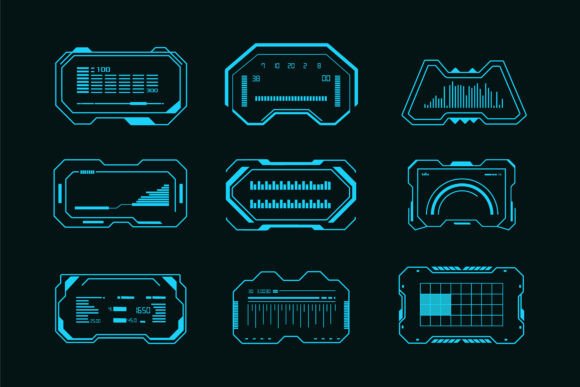
Futuristic Sci-Fi Interface HUD Elements
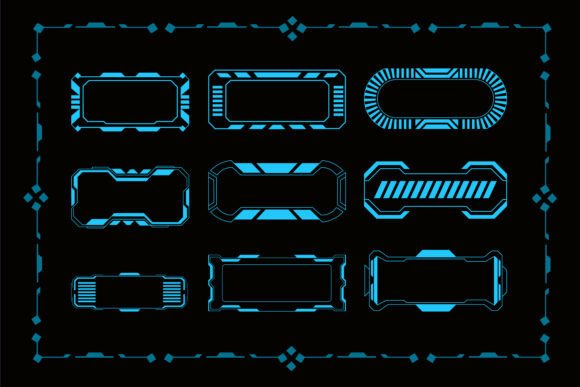
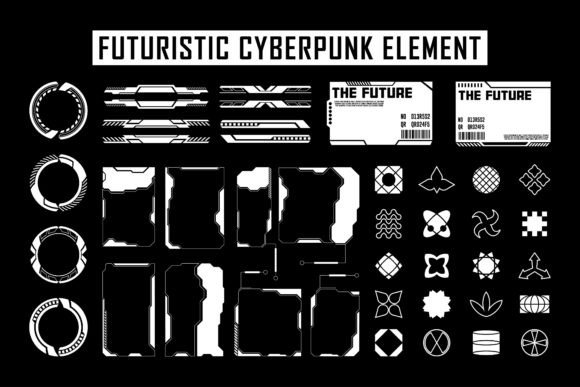
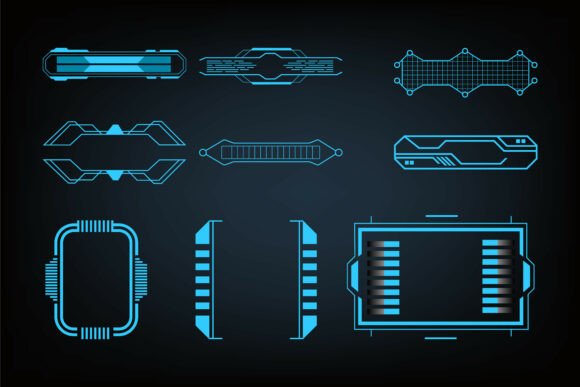
Imagine navigating a high-tech world where every piece of information appears right in front of your eyes, layered over reality like a digital overlay. That's the core idea behind Futuristic Sci-Fi Interface HUD Elements—a collection of visual components designed to mimic the high-tech displays seen in science fiction movies and cyberpunk environments. These elements include glowing gauges, floating data panels, holographic readouts, and real-time status indicators that make digital interfaces feel more dynamic and immersive.
At their heart, these HUD (Heads-Up Display) elements serve a simple purpose: to present information clearly and efficiently. Whether you're piloting a spacecraft in a video game, monitoring system status in a virtual control room, or designing a UI for a sci-fi movie, these visuals help users stay informed without breaking focus. Their sleek, glowing aesthetics and layered complexity make them a popular choice for creators looking to add a futuristic edge to their digital projects.
Why Futuristic HUDs Matter
For designers, developers, and digital artists, Futuristic Sci-Fi Interface HUD Elements offer more than just visual flair. They bring a sense of realism and immersion to digital environments. Whether you're building a game, a VR experience, or a concept design for a tech startup, these interface components help communicate high-tech functionality in a way that feels intuitive and engaging.
One of the biggest draws of these elements is their adaptability. You can find them in a variety of formats—vector files, JPG images, layered PSDs—all bundled together in a ZIP file for easy access. Once extracted using WinZIP, WinRAR, or simply double-clicking to extract, you can open the vector files in Adobe Illustrator or similar software to tweak colors, scale elements, or integrate them into your existing designs without losing quality.
Where and How to Use Sci-Fi HUD Elements
These futuristic design sets have a wide range of applications across different industries and creative fields. Here are a few common ways people use them:
- Game Development: HUDs are essential in games to show health bars, ammo counts, maps, and mission objectives. Sci-fi HUD elements help create a cohesive visual style that matches the game's futuristic setting.
- UI/UX Design: Web and app designers use these elements to prototype futuristic dashboards or interactive control panels for high-tech products.
- Motion Graphics: Video editors and motion designers incorporate these visuals into title sequences, transitions, and data visualization animations.
- Concept Art: Artists and illustrators use these assets to quickly build futuristic control rooms, spacecraft cockpits, or augmented reality interfaces.
- Education and Training: In simulations and virtual labs, these HUDs help display real-time data and feedback in a clear, easy-to-understand format.
Because the elements come in vector format, they're scalable without losing quality, making them ideal for both screen-based and print applications. Whether you're designing a small mobile interface or a large interactive display, these assets adjust smoothly to your needs.
Getting Started with Cyberpunk HUD Elements
If you're new to using Cyberpunk HUD elements, the first step is to unpack the ZIP file you received. Inside, you'll find a mix of JPG previews and editable vector files. Use any modern extraction tool to open the archive, and then launch Adobe Illustrator or a compatible vector editor to begin customizing.
Once inside, you can:
- Change colors to match your project's theme
- Resize and reposition elements for different screen sizes
- Combine multiple HUD components into a single interface
- Export as PNG or SVG for web or print use
Many sets also include pre-built templates and layer groups to help you get started quickly. Even if you're not a seasoned designer, these tools allow you to experiment and create high-quality interfaces without starting from scratch.
What to Consider Before Using Sci-Fi HUD Elements
While these design sets offer a lot of creative freedom, there are a few key considerations to keep in mind:
- License Type: Make sure the set you're using allows for commercial use if you're planning to incorporate it into a product or service.
- Compatibility: Check that the file formats match the software you're using. Most vector files are compatible with Adobe Illustrator, Inkscape, or Figma.
- Customization: Think about how much flexibility you need. Some sets are more modular, allowing you to mix and match elements, while others are more rigid in structure.
- Style Fit: Not all futuristic HUDs look the same. Some lean toward minimalist, clean designs, while others embrace the neon-lit, glitchy aesthetics of cyberpunk. Choose a set that aligns with your project's visual tone.
It's also helpful to look at how other creators have used similar elements in their work. Watching tutorials, browsing design forums, or exploring UI/UX case studies can give you fresh ideas and practical insights into how to apply these visuals effectively.
Final Thoughts
Futuristic Sci-Fi Interface HUD Elements are more than just cool graphics—they're powerful tools for enhancing how we interact with digital environments. Whether you're building a game, designing an app, or creating visual effects for a short film, these elements help bring your vision to life with a high-tech, immersive feel. With the right tools and a bit of creativity, you can easily integrate them into your projects and start crafting interfaces that look like they belong in the future.