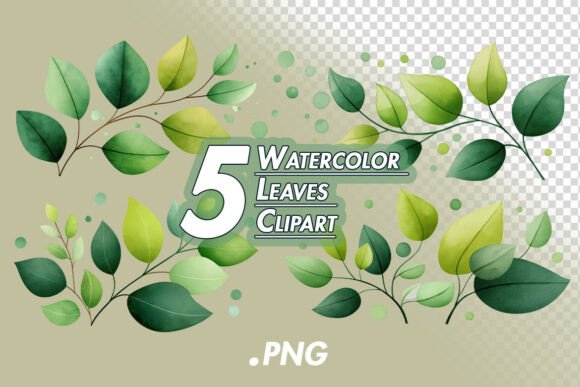
Watercolor Leaves Clipart: A Versatile Resource for Nature-Inspired Design
Watercolor Leaves Clipart offers a soft, artistic representation of green foliage in a variety of shapes and sizes. Rendered in a watercolor style, this collection captures the organic beauty of leaves with subtle textures and fluid edges. Each image is delivered as a high-resolution PNG file—minimum size 2800x1500 pixels—making it suitable for both digital and print applications. Whether you're a graphic designer, scrapbook artist, or small business owner, this type of clipart can enhance your visual storytelling with a natural, hand-painted aesthetic.
Why Consider Watercolor Leaves Clipart?
The appeal of watercolor lies in its softness and authenticity. Unlike vector-based or photographic images, watercolor art carries a handmade quality that resonates with audiences seeking warmth and sincerity. Watercolor Leaves Clipart brings this visual language into design projects that focus on nature, wellness, sustainability, or botanical themes. Its adaptability makes it a compelling choice for creators aiming to convey a gentle, organic feel.
For designers working on invitations, greeting cards, packaging, or branding materials, this type of clipart provides a ready-to-use visual asset that complements both minimalist and layered compositions. It can also serve educators, bloggers, or content creators who want to enhance their materials with nature-inspired graphics without investing time in custom illustration.
Key Benefits of Watercolor Leaves Clipart
- High Visual Appeal: The watercolor texture adds depth and character to any design, distinguishing it from flat or overly polished graphics.
- Versatility: With varying leaf shapes and sizes, the clipart set offers flexibility for use across different design contexts—from editorial layouts to product labels.
- Scalability: PNG files with high resolution ensure crisp output whether used on a website or in print media.
- Time Efficiency: Ready-made clipart saves time compared to sourcing or creating original botanical illustrations.
- Easy Integration: Transparent backgrounds allow for seamless layering over other design elements or color schemes.
Tradeoffs and Considerations
While Watercolor Leaves Clipart offers many advantages, it's important to weigh its suitability against your specific project needs. One potential limitation is its stylistic specificity—watercolor may not align with more modern, geometric, or industrial design themes. Additionally, because the clipart is pre-rendered, customization options are limited to scaling, color adjustments, and layering rather than modifying individual brushstrokes or textures.
Another consideration is licensing. It's essential to verify whether the clipart is available under a commercial-use license, especially for business applications. Some sets may require attribution or restrict usage in certain ways, which could affect your workflow or final deliverables.
When Watercolor Leaves Clipart Is a Strong Fit
This type of clipart excels in design scenarios where a soft, natural aesthetic is desired. It's particularly effective for:
- Wedding and Event Invitations: Especially those with a botanical or rustic theme, where watercolor adds a romantic, handcrafted touch.
- Wellness and Eco-Friendly Branding: Ideal for yoga studios, organic product packaging, or sustainable lifestyle brands aiming to convey calm and connection to nature.
- Educational and Children's Materials: Enhances books, worksheets, or presentations with a gentle, engaging visual style.
- Personal and Digital Art Projects: Useful for scrapbooking, digital planners, or social media graphics that benefit from a natural motif.
When Alternatives May Be Worth Exploring
If your design requires a more technical or stylized approach, alternatives to Watercolor Leaves Clipart may be more appropriate. For instance:
- Vector Leaf Illustrations: Offer greater flexibility for resizing and color editing, making them ideal for logos or icons.
- Photographic Leaf Images: Provide realism and detail, which may be necessary for scientific or product photography contexts.
- Custom Hand-Drawn Art: Offers a more unique and personalized touch, though it requires more time and budget.
Consider your project’s tone, intended audience, and usage environment when deciding whether to use watercolor clipart or explore alternative visual styles.
Setting Realistic Expectations
Watercolor Leaves Clipart is not a one-size-fits-all solution. While it delivers a beautiful aesthetic, its effectiveness depends on how well it aligns with your overall design goals. Expect variations in texture and tone between individual leaf images, as is characteristic of watercolor media. This variation can add charm and authenticity but may require careful curation to maintain visual consistency across a project.
Additionally, while high-resolution files ensure clarity, they may also result in larger file sizes, which can impact website load times or email deliverability if used in digital marketing materials. Always test the clipart in context before finalizing your design.
Making an Informed Decision
Before selecting Watercolor Leaves Clipart for your project, ask yourself the following questions:
- Does the watercolor style align with my brand or project tone?
- Will the clipart be used in print, digital, or both formats?
- Do I need the ability to modify individual elements, or is a ready-made set sufficient?
- Is the clipart licensed for my intended use?
- Have I compared it with alternative resources to ensure it's the best fit?
By evaluating these factors, you can make a more strategic choice that supports both your creative vision and practical requirements.
Final Thoughts
Watercolor Leaves Clipart is a valuable resource for designers and creators seeking to incorporate natural, hand-painted visuals into their work. Its blend of aesthetic appeal, usability, and accessibility makes it a strong contender in the realm of botanical design assets. However, like any creative tool, its effectiveness hinges on how well it serves your specific goals. By understanding its strengths, limitations, and ideal applications, you can determine whether it’s the right addition to your design toolkit.